A guide for personal trainers

Personal trainer insurance: what you need, and who asks for it.

Most personal trainers in Australia are asked for two covers: public liability, commonly at $20 million for training in a park, and professional indemnity for claims about their programs and coaching. Gyms, councils and AUSactive each set their own requirement. Here is who asks, what each cover is for, and the one clause worth reading before you buy.

Talk to a broker
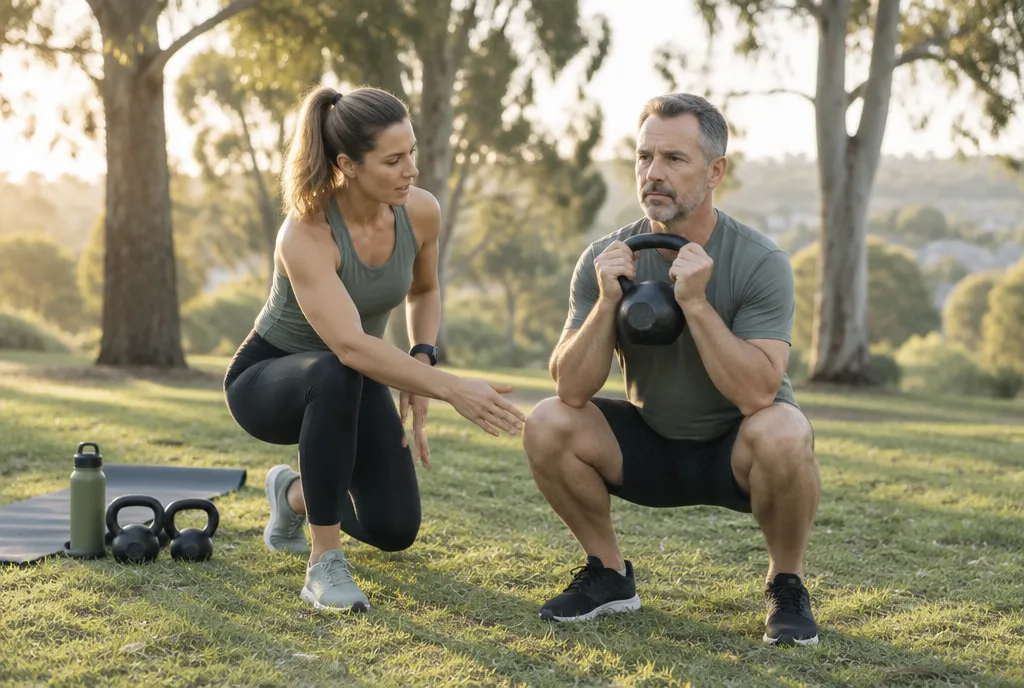
A personal trainer coaching a client through a kettlebell squat on the grass in a eucalyptus park

General information only. This guide sets out what trainers are commonly asked to hold and what one published policy wording says. It doesn’t consider your objectives, financial situation or needs. Check each requirement with whoever sets it, and read the wording for any cover you are considering.

Who asks

Four places your insurance gets checked.

1

The gym you train in

Your own public liability, often professional indemnity too

Contractor and rent-a-space trainers are usually asked for a certificate of currency before their first session. The gym’s own policy is written to protect the gym, not you.
2

Your council, for park sessions

$20 million public liability, sometimes PI

Hornsby Council (NSW) asks for $20 million with the council noted on the policy. City of Casey (VIC) asks for $20 million public liability and $5 million professional indemnity before it issues a permit.

3

AUSactive, to stay registered

Both public liability and professional indemnity

Registered professionals must hold appropriate professional indemnity and public liability insurance covering the work they do.

4

Corporate and group clients

Whatever their contract says

Workplace wellness programs and schools commonly name a limit, and ask to be noted on your policy as an interested party.

Councils set their own rules, and they change. Read your council’s current permit conditions before you book a park, and keep a certificate of currency on your phone: it is the one-page proof the gym, the council or a client will ask to see.

Two covers, two kinds of claim

The trip, and the program.

Public liability

Written for injury to people, or damage to their property, caused by your business. A client trips over a kettlebell you left on the path. A walker is hit by a medicine ball at your park session. A mirror cracks at a client’s home.

Professional indemnity

Written for claims about your professional advice and service. A client says the program you wrote ignored the knee injury on their screening form. Another blames your nutrition plan for a health problem. The claim is about what you advised, not about something falling over.

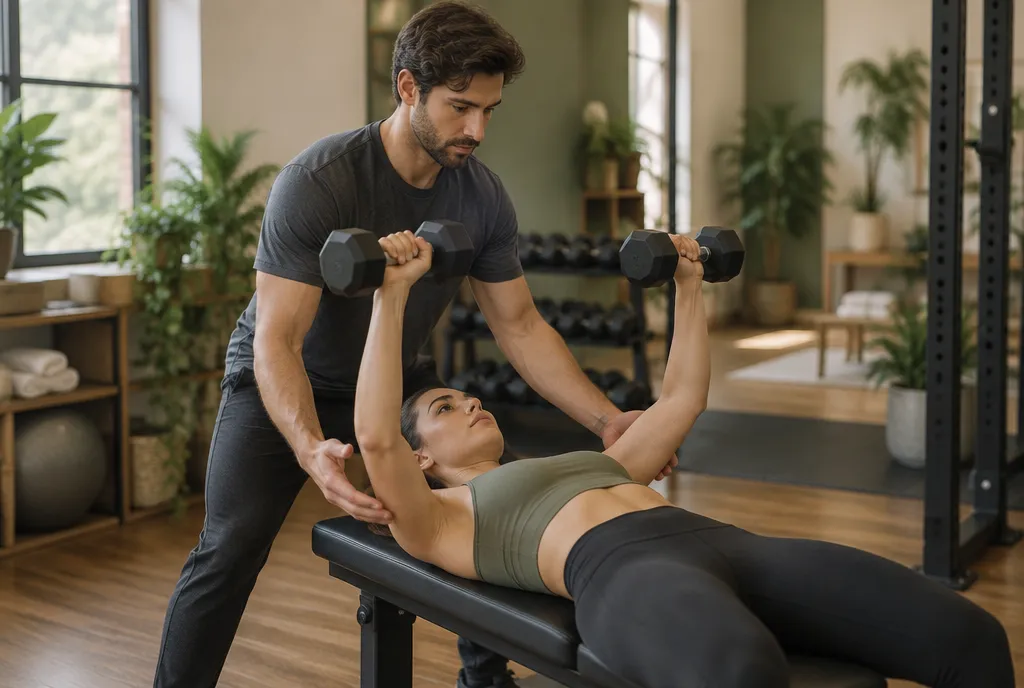
A personal trainer spotting a client on a dumbbell bench press in a calm boutique gym
The clause to read

Where public liability stops.

Most business public liability wordings exclude claims arising from professional services you charge for. Here is that exclusion in the Mitti Insurance Commercial Package, the business pack that prices personal trainers on our panel:

“if it arises from professional advice or service You provided or failed to provide, but this exclusion will not apply to: … ii. advice or services provided by You without charge”Mitti Insurance Commercial Package Policy (POL0001-0826), Section 4 exclusion (c), shortened

A personal trainer’s paid service is the coaching itself. A claim that blames the session or the program, rather than a trip hazard, may sit with this exclusion, which is the gap professional indemnity is built for. That is why gyms, AUSactive and councils like Casey ask for both. Fitness-industry policies commonly combine the two in one product; GymCover’s business pack provides the public liability and property side, not professional indemnity.

What it costs

A real price, not a range.

$525.80 a year

Public liability alone, $10 million or $20 million (the same price for both), for a Victorian sole-trader PT turning over $60,000, priced on our panel in November 2026. Including GST, stamp duty and the insurer’s fee, before our broker fee.

Your turnover, where you train, the gear you carry and the sections you add will change it. Running a studio? See insurance for personal training studios.

Before your next session

A short checklist.

  • Get every requirement in writing: the gym’s contractor agreement, the council permit, any client contract.
  • Match the limit to the highest one you were asked for; $20 million covers most park permits.
  • Ask whether you need to name the council or gym on the policy as an interested party.
  • Check your public liability wording for a professional services exclusion, and decide about professional indemnity.
  • Keep your certificate of currency, first aid and CPR current, and keep each client’s pre-exercise screening on file.
Common questions

Trainers ask us.

Ask a broker
Do personal trainers need insurance in Australia?

There is no single law requiring it, but in practice most trainers can’t work without it: gyms ask contractors for it, councils require it for training in parks, and AUSactive requires registered professionals to hold both public liability and professional indemnity.

What is the difference between public liability and professional indemnity for a PT?

Public liability is written for injury or property damage caused by your business, such as a client tripping over a kettlebell you left out. Professional indemnity is written for claims about your professional advice and services, such as a client saying the program you wrote caused an injury. Many public liability wordings exclude paid professional services, which is why trainers commonly hold both.

How much public liability does a personal trainer need?

Usually whatever the gym, council or client asks for, and for training in public parks that is very often $20 million. Check the requirement in writing before you buy, because a certificate showing a lower limit will not be accepted.

Does GymCover arrange professional indemnity for personal trainers?

Not at the moment. GymCover’s business pack provides the liability and property side: public liability, cover for your equipment and, if you run a studio, the premises and lost income. Professional indemnity for trainers is arranged separately.

How much does personal trainer insurance cost?

For one Victorian sole-trader PT turning over $60,000, public liability alone was priced at $525.80 a year on our panel, the same for $10 million or $20 million. Your turnover, location, equipment and the sections you add will change it.

Is this advice for me?

No. This page is general information about what personal trainers are commonly asked to hold and what one published wording says. It doesn’t consider your objectives, financial situation or needs. Read the policy wording for any cover you are considering, and check each requirement with the gym, council or body that sets it.

For personal trainers

Price your public liability in a few minutes.

Choose public liability, pick the limit you were asked for, and see the price and the policy wording before you decide.

Talk to a broker